The Human Signal
Clarity doesn't come from more data. It comes from understanding how people think, feel and decide: the emotional, cultural and contextual truths that determine whether brands connect, persuade and endure.

What we believe
Good decisions start with people. Not dashboards, not trends, not whatever the latest platform claims to understand about human behaviour. They start by noticing how life is actually lived: the compromises people make without thinking, the quiet ambitions that never surface in a survey, the workarounds that reveal what really matters to someone when nobody’s asking.
Most insight work moves too fast and is too shallow. The temptation is to always gather more - more responses, more data points - as though volume were the same thing as understanding. It isn’t. The harder and more valuable work is knowing what to pay attention to, what to set aside, and what an organisation genuinely needs to hear, even when it’s not what they expected.
We believe in doing fewer things well - spending time with the right people and returning with language that’s clear enough to act on. Work that earns its place in the room, and changes what becomes possible once it’s there.
The Human Lens
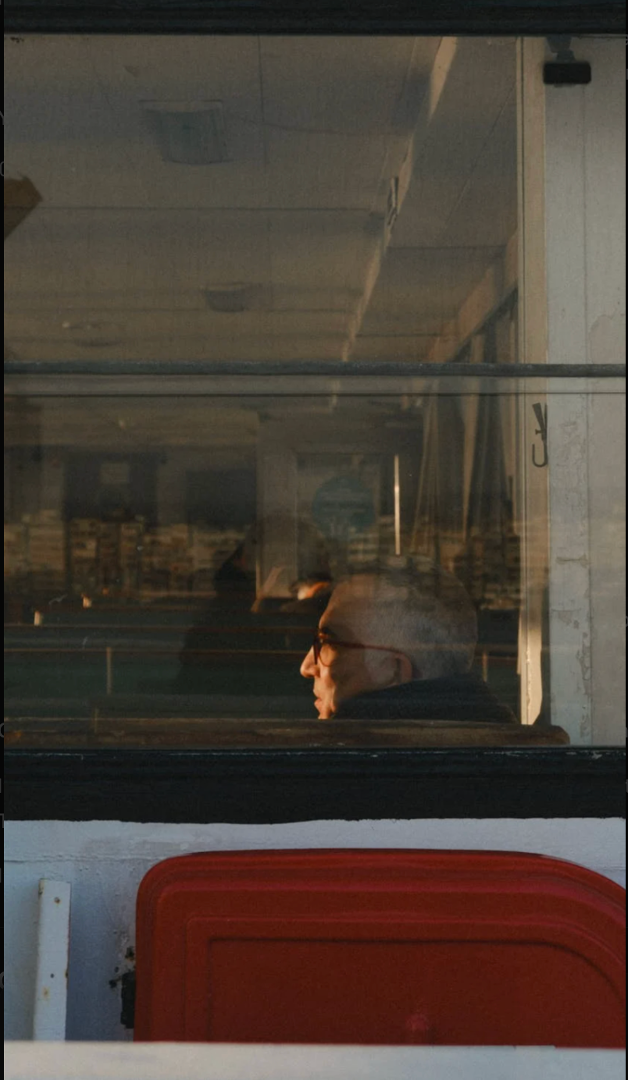
The Human Lens means looking at people as they actually are - not as consumers, respondents or data points, but as individuals carrying identities, tensions, habits and hopes that shape every choice they make. Most of what matters isn't spoken directly. It lives in hesitation, in contradiction, in the things people have quietly normalised and no longer think to question.
Context is empathy’s infrastructure. Culture, circumstance, pride, pressure - these are what give meaning to behaviour, and without them even the most carefully gathered evidence can mislead. We look for the emotional logic beneath the rational explanation, the why beneath the what, the tension that explains the choice. The Human Lens isn't a method or a proprietary framework. It's a discipline - a way of paying attention that turns human detail into strategic clarity.

Modern Intelligence
Modern intelligence widens perspective without losing proportion. Technology can scan a landscape, surface patterns and set a direction of travel, but no model can feel the weight of a hesitation, or sense when a rational answer is covering something more complicated. That still requires a person.
Used well, modern intelligence supports the human work rather than replacing it. It helps us arrive better prepared, ask sharper questions and see further than we otherwise could. It is not automation. It is a tool developed with intention, used only to sharpen the opening enquiry - and like any tool, its value depends entirely on the judgement of the person holding it.
Tom O’Dwyer
Tom has spent over 20 years advising organisations on audience decisions where the commercial and cultural stakes are high. He founded Wavelength to create space for slower, more serious enquiry: small projects, with the care and attention that complex decisions deserve. He remains convinced that the best decisions still depend on genuine human contact - and always will.